


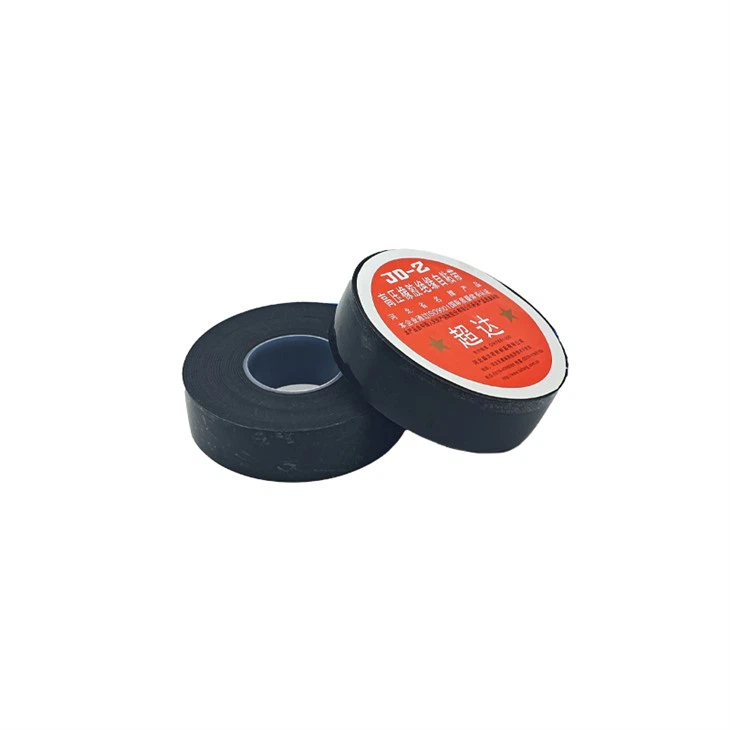
JD-2 Insulation Tape
What is JD-2 Insulation Tape
Insulating tape, commonly known as electrical tape, is a pressure-sensitive tape that is used to insulate electrical wires and other materials that conduct electricity. A product of the modern age, it has become indispensable in both domestic and industrial applications. Insulation tape's primary purpose is to cover the seams between insulation boards, however, it can also bring additional features such as weather resistance and heat resistance depending on its material. Aluminium foil tape eliminates pockets of air between boards and protects against moisture. insulation tape in 50mm, 75mm, and 100mm widths. Insulation tape can be used for a variety of purposes, from roofing to connecting plasterboard.
Advantages of JD-2 Insulation Tape
Fireproofing
Due to its high heat and flame resistance, thermal insulation tape is designed for use in oven seals, furnace seals, and other high-heat applications. Fiberglass industrial materials are one such example, as its properties allow heat resistance up to 1000oF / 538oC and will not burn, shrink or rot.
Heat shielding
Insulation tapes can be ideal for heat shielding and engine exhaust covers because of their high strength and chemical resistance. Using thermal insulation tape for heat shielding will prevent heat from transferring onto the exterior of components, reducing the risk of harm to humans.
Thermal conductivity
Thermal insulation tapes help to maintain temperatures throughout industrial processes. Whether heat needs to be transferred at a specific temperature or to a cooler section, insulation tape does this to protect key components.
Long-Lasting
You can rest assured knowing that insulation tape lasts a long time. It doesn’t break down like other types of tape. Once applied, insulation tape will continue to provide a reliable and long-lasting seal.


Why Choose Us
Professional Team
Our company has an experienced and skilled professional team. They have made great contributions to the development of the company and the service of customers.
Rich Experience
Our company has been established for many years, in these years we continue to accumulate experience, and constantly improve our business process, so that we can better meet the needs of customers.
Quality Assurance
Our company has been adhering to the concept of "quality first, reputation first", and constantly improving the quality of products and services, so that we have won a good reputation and reputation among customers.
Good Cooperative Relations
Our company has established good cooperative relations with many customers, suppliers and partners, forming a complete industrial chain, so as to better meet the needs of customers and the market.
Innovative Spirit
Our company has been committed to promoting technological innovation, constantly developing new products and new services to better meet market demand, and constantly optimizing the company's business model to make our enterprise more competitive in the ever-changing market environment.
Our Service
(1) You can order online from us for 24 hours, 7 days.
(2) Our experienced staff answer all your questions in professional and fluent English.
(3) OEM&ODM products and customized designs are available and welcomed.
(4) Our shipping team can guarantee that our customers around the world receive goods shipped daily from our warehouse on time and as promised.
It is mainly divided into: Polyimide high temperature insulation tape, NOMEX paper high temperature insulation tape, polyester insulation tape, glass cloth insulation tape.
Polyimide high temperature tape: Polyimide tape is based on polyimide film and coated with imported high-performance silicone pressure-sensitive adhesive. The product has good dielectric properties and excellent heat resistance. The product has high mechanical strength, strong adhesive force, and does not leave residual adhesive after the tape is torn. It can be used as H-class electrical insulation and can work continuously at 250℃.
High temperature resistant insulating tape: High temperature resistant tape uses high temperature resistant aramid fiber paper produced base material, coated with imported silicone pressure sensitive adhesive or modified acrylic adhesive on one side, made by high temperature process . The product has excellent temperature resistance, strong adhesion, toughness and tear resistance.
Polyester insulating tape: Polyester tape, also known as Mara tape, is made of polyester film as a substrate, coated with high temperature resistant glue as an adhesive on one side, and dried and cut.
Glass cloth insulation tape: This product is based on imported high-density alkali-free glass fiber cloth and coated with high-adhesive adhesive. It has excellent tensile strength, friction resistance, high temperature resistance, solvent resistance, insulation and flame resistance. Environmental protection and halogen-free advantages.
Materials Used in Insulation Tape
| PVC electrical insulation tape | PVC tape (polyvinyl chloride) is one of several types of plastic insulation tape and is widely used in many similar scenarios to the standard vinyl insulation tape. However, PVC is generally favoured in scenarios where it’s likely to be exposed to very low temperatures. Both vinyl and PVC are viewed as ‘balanced’ plastic tapes, suitable for a broad range of uses - both have similar high-temperature properties, but PVC copes much better when the temperature drops. |
| PVC tape is also more robust at dealing with other environmentally challenging factors such as adverse weather conditions, metal corrosion and abrasion. For this reason, it’s often favoured for outdoor wiring applications where ruggedness is likely to be a bonus. | |
| PTFE electrical insulation tape | PTFE tape (polytetrafluoroethylene, a synthetic fluoropolymer) is prized for its extremely robust chemical resistance, due to it being almost universally inert. Often referred to as ‘Teflon tape’, it’s highly insoluble even in harsh solvents at temperatures lower than 300 Celsius, and offers good thermal stability without becoming brittle at very low or high temperatures. It also displays excellent dielectric properties, meaning it conducts practically no electricity when in contact with a current. |
| Cloth electrical insulation tape | Among the main types of insulation tapes, cloth tape is generally less associated with strong dielectric properties, meaning it’s not the greatest choice for jobs where insulation is the key factor. However, cloth insulation tape is prized for its mechanical properties - it’s a very strong and flexible hybrid that’s excellent for fixes and repairs, and can often be found combined with other material types to help increase its temperature performance and conductive resistance. |
| Rubber electrical insulation tape | Rubber tape is something of an umbrella term, which covers a fairly wide range of subtypes. Vulcanised rubber tape is often used in cable jacketing and repairs where rugged environments - such construction sites or industrial manufacturing plants - call for a very durable wrap. |
| Other types of rubber tape are chosen for their market-leading dielectric properties; specialist premium products such as ethylene propylene rubber tape are often found in medium-to-high-voltage applications, while general purpose rubber wraps are also a popular choice for low voltage applications, repairs, padding and moisture seals. | |
| Mastic electrical insulation tape | The word ‘mastic’, in the context of insulation tape, refers to the same adhesive type as is commonly associated with decorating and tiling. Mastic tape is essentially a malleable sticky mass with a rubberised backing that’s great for both repairs (it acts a bit like a roll of putty) and insulation (the rubberised backing gives it fantastic dielectric properties too). |
| Mastic is very often the first choice when the job calls for a high degree of moisture resistance, either from inclement weather or from humidity, steam and aerosols. It’s also incredibly stretchy and flexible, making it good for padding and bulk-wrapping sharp components or connections that would risk abrasion and puncture of more brittle tape types. | |
| Vinyl electrical insulation tape | Vinyl tape is the most common and universal sort of insulation tape used on general wiring, insulation and repair jobs today. Perhaps the archetypal plastic insulation tape, it’s a good flexible all-rounder for a great many situations where a more specialised product isn’t strictly necessary. Vinyl tape offers a handy balance of usability, ruggedness, insulation and resistance to most standard environmental conditions. |
| Basic but well-made vinyl tape generally gives solid performance against abrasion, moisture, chemicals, and changeable temperatures. It’s very often found in low-voltage household and workplace electrical applications, where it’s a popular choice for insulation, repairs, sealing, protecting and colour coding on wiring jobs of all kinds. | |
| Polyimide electrical insulation tape | Polyimide tape is mainly preferred in applications where a thin, durable tape with high-temperature stability is required, This makes it a leading choice for many demanding electronics jobs in the automotive, industrial and computing industries, such as wrapping or insulating coils, transformers, capacitors and PCBs |
| Good dielectric performance means it’s also commonly used as a protective layer for delicate electrical components during soldering and circuit-building. It’s generally flame-resistant and can withstand much higher short-term temperature spikes than many other kinds of insulation tape | |
| Polyester electrical insulation tape | Polyester tape tends to be thin and durable, offering particularly tough resistance to edge-tear, abrasion and puncture. It’s typically chemical, solvent and moisture resistant, as well as fairly flame retardant, and can be supplied with various sorts of adhesive backing including acrylic and thermosetting rubber. |
| A polyester insulation tape has solid dielectric properties and is a popular option in layer insulation and coil cover applications at higher temperatures (up to 130 Celsius). | |
| Glass Cloth electrical insulation tape | Glass cloth tape is typically manufactured from a polyester film reinforced with glass fibre strands and is used when much higher thermal resistance properties are needed. It’s designed to withstand prolonged exposure to temperatures ranging from 130-200 Celsius, and is also mechanically tough with excellent durability against edge-tear and cut-through. |
| Frequently found being used as a heat-stable insulation layer, it’s also a reasonable electrical insulator with high tensile strength, Glass cloth tape is widely used in applications such as oven controls and furnace power supply systems, in motor leads and switches, and for wrapping coils. | |
| Cambric electrical insulation tape | Cambric tape usually refers to a cotton fabric insulation tape that’s primed and coated in an insulating varnish. It’s most commonly used as a mechanically tough, abrasion and puncture-resistant base layer in a wide range of repairs and protective applications. |
| Cambric insulation tape is sometimes applied to wiring and connections adhesive side up, before further layers of more dielectrically resistant tape varieties are added over the top of it. This creates a very robust and durable wrap that’s easy to remove cleanly for future maintenance, making it ideal for applications such as busbar insulation, motor leads and service drop connections. | |
| Silicone rubber electrical insulation tape | Silicon rubber tape boasts a particularly wide range of operating temperatures, typically from -80 to around 200 Celsius at peak. It’s also prized for its outstanding dielectric properties and chemical inertness, making it a reliable choice in applications where it might experience prolonged exposure to moisture, UV, ozone, harsh weather or radiation. |
| In addition, silicone rubber tape is extremely soft and pliable, making it convenient for wrapping around awkward shapes and in tight spaces. However, it’s quite vulnerable to abrasion and puncture and does not insulation tape offer a high degree of mechanical strength. | |
| Self-amalgamating insulation tape | Self-amalgamating does not typically feature any adhesive or solvent ingredients - instead, insulating tapes of this kind fuse to themselves when stretched and wrapped tightly around a wire or connection. The resulting bond is effectively seamless, and can offer an added layer of protection against moisture ingress and current transfer |
| The lack of adhesive makes self-amalgamating tape easy to remove for repair and maintenance, and it’s often used for short-term repairs against leaks and punctures. In electrical applications, it’s commonly used to moisture-seal joints for insulation purposes, or for splicing and connections in high-voltage cable runs. |
Unlike most adhesive tapes, insulation tape is designed to stretch or elongate a bit before it breaks. When stretched and then wrapped around wire, it shrinks back down, constricting around the wire for a tight fit. This snug fit is what blocks moisture, dust, or any form of contaminant from reaching the bare wire. Low-quality electrical tape might not elongate much, which means it won't create as good a barrier around the tape as one that's far more elastic.
Test any insulation tape's elongation ability by stretching out a piece that's 4 or 5 inches long and wrapping it around your finger a few times. A good tape constricts around your finger enough that you'll feel it happening.
What Makes Insulation Tape Different from Other Adhesive Tapes
Electrical wiring and phasing tasks call for a specific type of tape insulation tape in order to safely get the job done. But what exactly is it that makes insulation tapes so different from duct tapes, polyethylene film tapes, and others?
Insulation tapes are typically made with a polyvinylchloride (pvc) backing and a non-corrosive rubber-based adhesive. The backing is what gives it the ability to stretch and conform to cables and wiring. This stretch is a critical characteristic of insulation tapes because it allows the tape to wrap tightly around cables for long-lasting insulation. Most cloth, film, and other types of tapes do not possess the elongation characteristics that allow insulation tapes to function properly.
Charged electrical wiring can also cause materials used in certain types of tape to dry out and even catch fire. For example, the cloth fibers used in the backings of many duct tapes are susceptible to burning at high voltages, creating a fire risk. You wouldn’t want to use a duct tape or other cloth tape to insulate wiring!
Safety Precautions When Working with Insulation Tape of Different Colours
Safety precautions should be followed when working with self-fusing electrical tape. Here are important guidelines to consider:
1. Proper colour selection: Choose the appropriate colour of electrical tape based on its intended use, ensuring compliance with industry standards. For example, yellow insulation tape has a specific purpose.
2. Before use of electrical tape: Carefully examine it for any signs of damage such as cuts, tears, or issues with the adhesive. Do not use tape that is compromised or defective, as it may not provide sufficient insulation.
3. Adequate surface preparation: Prepare the surface where the tape will be applied by ensuring it is clean, dry, and free from any contaminants. This helps ensure a secure and effective bond between the tape and the surface.
4. Proper usage: Use tape for electrical wires only for its intended applications, such as insulating wires, bundling cables, or marking.
5. Correct application technique: When applying coloured insulation tape, wrap it tightly around wires or cables with appropriate tension. This ensures a secure and uniform insulation layer.
6. Layer overlapping: If applying multiple layers of yellow and green electrical tape or any colour , make sure each layer overlaps the previous one by at least half its width. This creates a reliable insulation barrier.
7. Avoid overstretching: While tension is important, avoid stretching the tape excessively, as it may lead to thinning and compromised insulation properties.
8. Verification of insulation integrity: After applying the tape, carefully inspect for any gaps or exposed wires. Ensure that all connections and exposed conductors are properly insulated.
FAQ
We're professional jd-2 insulation tape manufacturers in China, specialized in providing high quality products and service. We warmly welcome you to buy high-grade jd-2 insulation tape made in China here from our factory. For price consultation, contact us.
oil resistant insulation tape, industrial insulation tape, insulation tape