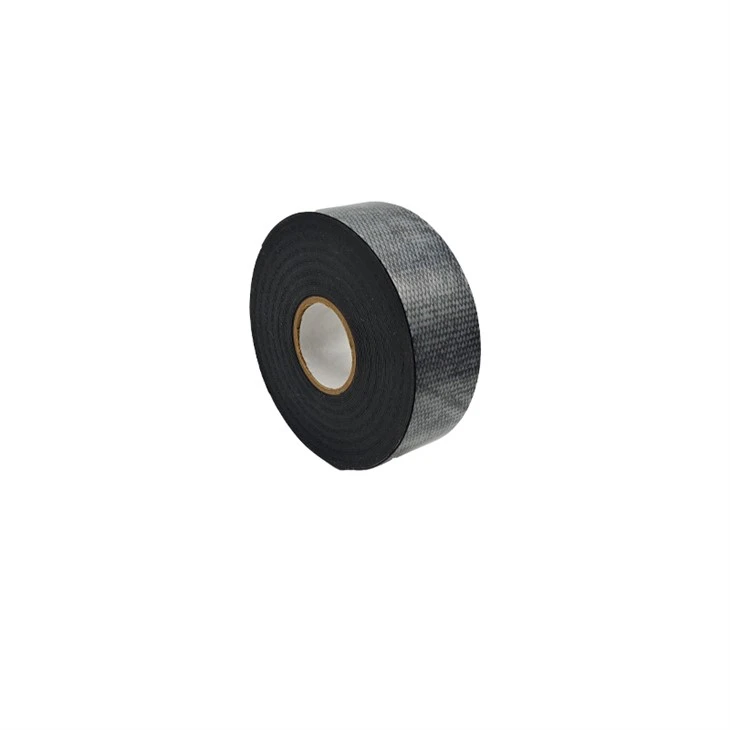
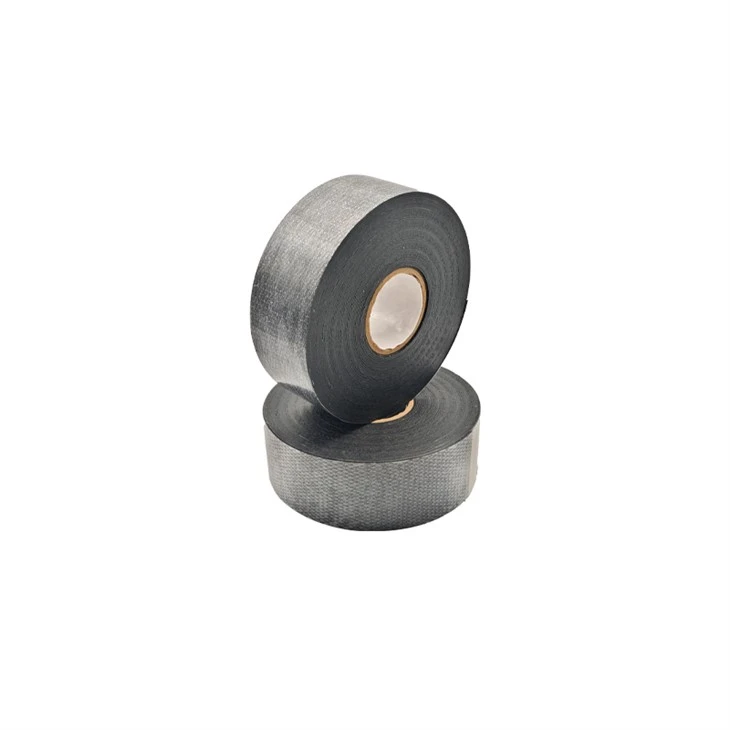
Neoprene Rubber Strips: Comprehensive Guide
Neoprene rubber strips-also known as chloroprene rubber strips-are flexible, durable sheets or bands crafted from neoprene (a synthetic rubber polymer). Unlike natural rubber, neoprene is engineered to resist environmental stressors like moisture, oils, and temperature fluctuations, while maintaining elasticity across a wide range of conditions. These strips are typically cut into uniform lengths, widths, and thicknesses, serving as versatile solutions for sealing, cushioning, insulating, or protecting surfaces in industrial, commercial, and residential settings.
1. Core Characteristics
Exceptional Weather Resistance
Neoprene's chemical structure repels water, rain, and humidity, making it impervious to rotting, swelling, or degradation when exposed to outdoor elements. It also resists UV radiation, ensuring long-term performance in direct sunlight (unlike natural rubber, which cracks over time).
01
Temperature Tolerance
Functions reliably in extreme temperatures-from as low as -40°C (-40°F) to as high as 120°C (248°F). This stability makes it suitable for both cold storage facilities and high-heat environments like engine bays.
02
Oil & Chemical Resistance
Repels mineral oils, greases, solvents, and mild acids/bases (e.g., cleaning solutions, automotive fluids). It won't break down or lose elasticity when in contact with these substances, unlike many other synthetic rubbers.
03
Flexibility & Durability
Maintains flexibility even at low temperatures, avoiding brittleness. It also has high tensile strength (resists stretching or tearing) and excellent compression set resistance-meaning it bounces back to its original shape after being pressed, ideal for long-term sealing applications.
04
Electrical Insulation
Acts as a reliable electrical insulator, protecting against minor current leaks. This makes it safe for use in applications where electrical components need shielding from moisture or physical damage.
05
Key Technical Parameters
| Parameter | Typical Range | Description |
|---|---|---|
| Thickness | 0.5mm – 20mm | Thinner strips (0.5–3mm) for sealing/gaskets; thicker strips (5–20mm) for cushioning. |
| Width | 10mm – 1000mm (customizable) | Standard widths for general use; custom widths available for specialized projects. |
| Length | 1m – 50m (per roll) | Rolls for easy storage and cutting to desired lengths. |
| Hardness (Shore A) | 40 Shore A – 80 Shore A | 40–50 Shore A (soft, for cushioning); 60–80 Shore A (firm, for sealing). |
| Tensile Strength | ≥ 15 MPa | Measures resistance to stretching; higher values indicate greater durability. |
| Elongation at Break | ≥ 300% | How much the strip can stretch before breaking-critical for flexible applications. |
| Water Absorption | ≤ 1% (24-hour immersion) | Low absorption ensures no swelling or performance loss in wet conditions. |
| Flammability Rating | UL 94 V-0 (common) | Self-extinguishing when exposed to flame, meeting safety standards for many industries. |
3. Competitive Advantages
Longer Lifespan Than Natural Rubber
Outlasts natural rubber by 3–5 times in harsh environments (e.g., outdoor, high-moisture, or chemical-exposed areas) due to its resistance to rot and degradation.
Versatility Over Specialty Rubbers:
Unlike silicone (which struggles with oils) or nitrile (which stiffens in cold temperatures), neoprene balances performance across moisture, oil, and temperature-eliminating the need to switch materials for different tasks.
Cost-Effective for Bulk Use
Offers lower long-term costs than premium rubbers (e.g., fluoroelastomers) while delivering comparable durability for most non-extreme applications (e.g., residential sealing, light industrial use).
Easy to Fabricate
Can be cut, drilled, glued, or bonded to most surfaces (metal, wood, plastic) using standard tools. This flexibility reduces installation time and labor costs.
4. Target Users

Neoprene rubber strips cater to a diverse range of users, from individuals to large-scale industries:
1.DIY Enthusiasts & Homeowners: For home projects like weatherstripping windows/doors, cushioning shelf liners, or sealing garage doors.
2.Automotive Technicians: For gaskets, hose wraps, or sound dampening in car engines and interiors.
3.Industrial Engineers: For machinery seals, conveyor belt padding, or chemical tank liners in manufacturing plants.
4.Construction Professionals: For waterproofing joints in roofs, floors, or HVAC systems.
5.Electronics Manufacturers: For insulating wires, protecting circuit boards, or cushioning device casings.
5. Application Fields
Automotive
Gaskets for engine components, door/window weatherstripping, hose insulation, and interior sound dampening.
Construction
Waterproof seals for roofing tiles, expansion joint fillers, HVAC duct insulation, and floor underlayment (to reduce noise).
Manufacturing
Machinery gaskets (to prevent fluid leaks), conveyor belt buffers (to protect products), and chemical storage tank liners.
Electronics
Wire/cable insulation, laptop/phone case cushioning, and battery compartment seals (to block moisture).
Marine
Boat hull seals, dock bumpers (to prevent scratches), and equipment covers (resists saltwater corrosion).
Residential
Window/door weatherstripping (reduces energy loss), shelf liners (cushions fragile items), and garage door seals (keeps out dust/rain).
6. Manufacturer Advantages
When sourcing neoprene rubber strips, partnering with a reputable manufacturer offers distinct benefits:
Customization Capabilities: We offer tailor-made strips-adjusting thickness, width, hardness, and even color (e.g., black, gray, or custom hues) to match your project's exact needs. For example, we can produce ultra-thin 0.5mm strips for electronics or thick 20mm strips for heavy machinery.
Bulk Production Capacity: Our factory produces 500,000+ meters of neoprene strips monthly, supporting large orders (10,000m+) with short lead times (7–10 days for standard orders; 12–15 days for custom).
Quality Assurance: Every batch undergoes rigorous testing-including temperature resistance, tensile strength, and water absorption checks-to comply with ISO 9001 and ASTM standards. We provide free 1m samples to verify quality before full production.
Competitive Pricing: Tiered pricing for bulk orders (15%–25% discounts for orders over 50,000m) and transparent cost breakdowns (no hidden fees for customization).
Technical Support: Our team offers free guidance on material selection (e.g., choosing the right Shore hardness) and installation (e.g., best adhesives for bonding to metal). We also resolve quality issues within 48 hours of notification.
FAQ
Q1: Will Neoprene Rubber Strips Damage Painted Surfaces?
A1: No-neoprene is non-abrasive and won't scratch or discolor painted surfaces. However, avoid leaving strips on freshly painted surfaces (wait 2–3 weeks for paint to fully cure) to prevent adhesion issues.
Q2: Can They Be Used In Saltwater Environments (E.G., Marine Applications)?
A2: Yes-neoprene is highly resistant to saltwater corrosion. It's a top choice for boat seals, dock bumpers, and marine equipment covers, as it won't degrade or lose elasticity in saltwater.
Q3: How Do I Clean Neoprene Strips?
A3: Use a soft cloth dampened with mild soap and water. Avoid harsh solvents (e.g., acetone, gasoline) or abrasive cleaners-these can break down the rubber and reduce its lifespan.
Q4: The Strip Is Losing Flexibility In Cold Weather-What's Wrong?
A4: Neoprene should remain flexible down to -40°C. If it's stiffening, it may be a low-quality neoprene blend (not pure neoprene). Contact your manufacturer to confirm material purity; genuine neoprene won't stiffen in typical cold environments (e.g., winter garages).
Q5: Can Neoprene Strips Be Glued To Plastic?
A5: Yes-use a cyanoacrylate (super glue) or neoprene-specific adhesive. Ensure the plastic surface is clean and dry before applying glue, and press the strip firmly for 30 seconds to ensure a strong bond.
Q6: Are Neoprene Strips Eco-Friendly?
A6: While neoprene is synthetic, it's recyclable (many manufacturers accept scrap neoprene for repurposing). Additionally, its long lifespan reduces the need for frequent replacements, minimizing waste compared to less durable materials (e.g., foam strips).
Hot Tags: neoprene rubber strips, China neoprene rubber strips manufacturers, factory, motor insulation tape, durable insulation tape, heat insulation tape, chemical resistant insulation tape, marine insulation tape, wall insulation tape