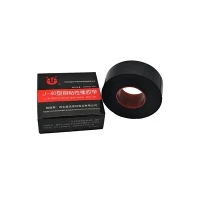
In real life, with the progress of society, sealing materials are also growing and developing. Its application field is also quite wide, including construction, automobile, high temperature and other industries, the actual points are as follows
1. Turn over the coil on the upper layer of the lap seam that needs to be bonded and sealed, clean up the dust and impurities on both sides of the seam or the end of the coil, and evenly apply the special waterproof material that is compatible with the coil and the adhesive sealing tape with a brush. It is worth noting that there should be no missing brushing or accumulation when applying waterproof glue, and the general brushing amount should be about 0.1kg/m2.
2. When the base treatment agent is dry for about 20min, the finger touch is basically non-sticky, you can align one side of the double-sided tape with the coil that needs to lap the top or the edge of the end end of the coil, and then open the tape curl and paste it on the coil, and do not tear off the isolation paper at this time.
3. After the sealing tape is pasted, the isolation paper can be torn off, and the turned coil is turned back in time to be coated with a base treatment agent on the other side for lap seam bonding and sealing treatment. When the lap seam is glued, it should be rolled in sequence with a hand-held roller at the seam to make it firmly bonded.
4. For the waterproof layer of the membrane with the waterproof grade requirements, the appropriate single-sided adhesive tape covered with aluminum foil polyester composite film should also be pasted along the edge of the lap seam or additional enhanced sealing treatment should be carried out with butyl waterproof sealing tape.
5. After the construction is completed, the end end and lap joints of the waterproof layer of the roof parapet and its surrounding membrane are fully treated with single-sided and double-sided waterproof sealants.
Through a simple analysis, we learned that there are many aspects to learn in the application, not only the sealing tape, but also the same type of sealing materials such as polysulfide sealant, butyl sealing tape, etc.