Environmental control
1. Temperature and humidity:
Tape should be stored in a relatively stable temperature environment to avoid extreme high or low temperatures. The recommended temperature range is -5°C to 30°C to meet the conventional temperature and humidity requirements for the storage of electronic components.
The humidity should be controlled at a low level to prevent the tape from getting damp. The ideal relative humidity range is usually between 20%-75%RH, but lower humidity (e.g. 25%-60%RH) may be more conducive to the long-term preservation of some specific types of tape.
2. Ventilation and cleaning:
The storage area should be well ventilated to avoid moisture and mildew.
Ensure that the storage environment is clean and dust-free to prevent tape contamination.
Packaging and sealing
1. Original packaging storage:
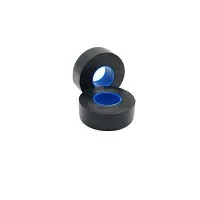
As far as possible, use the original packaging of the tape for storage, because the original packaging is usually equipped with moisture, dust and other functions.
If you need to change the packaging, you should choose a packaging bag or container with similar protective properties.
2. Sealing treatment:
For tape that has been opened, it should be used as soon as possible or resealed to prevent air and moisture from entering.
You can use sealing clips, sealed bags, or vacuum packaging to enhance the sealing effect.
Avoid mechanical damage
1. Handle gently:
When transporting and storing the tape, handle it gently to avoid severe vibration and collision to prevent mechanical damage to the tape.
2. Stack properly:
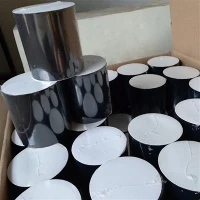
If you need to stack storage tapes, ensure that the stacking height is moderate to avoid deformation or damage caused by excessive extrusion.
At the same time, the gap between the tape should be maintained when stacking to allow air circulation.