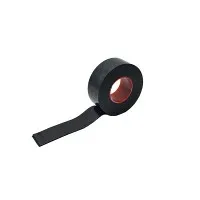
As an important insulating and protective material in electrical system, the correct use and maintenance of flame retardant tape is of great significance to ensure the safety of equipment and prevent fire accidents. The following is a detailed description of the precautions for the use of flame retardant tape from eight aspects, such as storage environment, regular inspection, use specifications, safety training, waste disposal, damage prevention, reasonable selection, and professional maintenance.
1. Storage environment
Temperature and humidity: The flame retardant tape should be stored in a dry, ventilated environment away from direct sunlight. The temperature is recommended to be controlled between 5°C and 30°C, and the relative humidity is not more than 80%. Extreme temperature and humidity conditions may cause tape performance degradation or deterioration.
Keep away from fire sources: The storage area must be away from fire sources, heat sources and flammable and explosive materials to prevent accidental burning or accelerated aging of the tape.
Clean and dry: Keep the storage area clean to prevent dust, oil and other pollutants from adhering to the tape, affecting its insulation performance and flame retardant effect.
2. Get regular checkups
Appearance inspection: Regularly check the appearance of the flame retardant tape to see if there is aging, cracking, damage or contamination.
Performance testing: For the flame retardant tape used in key parts, the electrical insulation performance and flame retardant performance should be tested regularly to ensure that it can still meet the requirements of use.
3. Usage specifications
Correct selection: Select the appropriate type and specification of flame retardant tape according to the specific application scenario to ensure that its electrical insulation level, flame retardant level and use environmental requirements match.
Standard operation: When using flame retardant tape, it should follow the operation specifications in the product manual to ensure that the tape is tightly wound, no bubbles, no folds, and reaches the specified layer number and width.
Avoid overlapping: During the winding process, avoid overlapping multiple layers to reduce heat accumulation and fire risk.
4. Dispose of waste
Environmental protection: Waste flame retardant tape should be treated in accordance with the requirements of local environmental laws and regulations, and must not be discarded or incinerated at will, so as to avoid pollution to the environment.
Classification and recycling: Encourage the waste of flame retardant tape to be classified and recycled for reuse or harmless treatment.
5. Prevent damage
Protection measures: During the installation and maintenance process, measures should be taken to protect the flame retardant tape from mechanical damage, such as piercing and scratching of sharp objects.
Handling with care: When handling the flame retardant tape, handle it gently to avoid falling or collision resulting in damage.
6. Professional maintenance
Regular inspection and maintenance: Establish a regular inspection and maintenance system for flame retardant tape to ensure that it always maintains good insulation and flame retardant properties.
Timely replacement: For aging, damaged or degraded flame retardant tape, it should be replaced in time to avoid electrical failure or fire accidents caused by tape failure.
Professional guidance: When encountering complex problems, you should seek the guidance and help of manufacturers or professionals to ensure the correctness and effectiveness of maintenance work.